Natalie Montecino is a program manager at a Denver, Colorado based non-profit called the Climate Democracy Initiative. She earned her bachelor’s degree in International Studies with a focus on Asia and minors in International Development, Political Science, Japanese, and French at Colorado State University. During her senior year, she was awarded a prestigious Fulbright scholarship.
As a Fulbrighter, Natalie explored development, sustainability practices, and local community engagement in rural Japan. She notes that her upbringing played a significant role in her research choice. “My rural background and my heritage were always important to me. I wanted to find a way to tap into my roots and connect with the countryside, while still studying all things international,” she says.
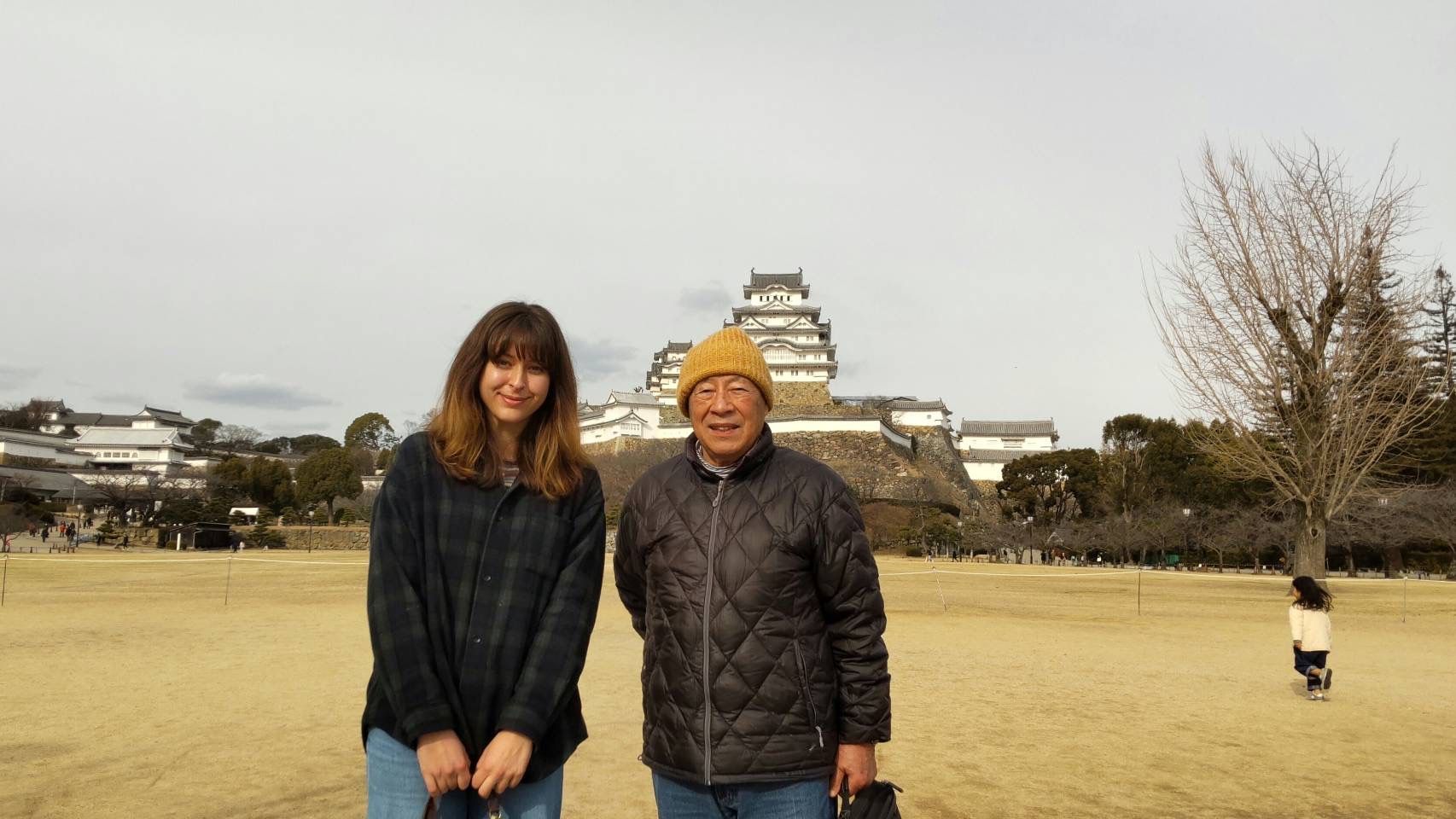
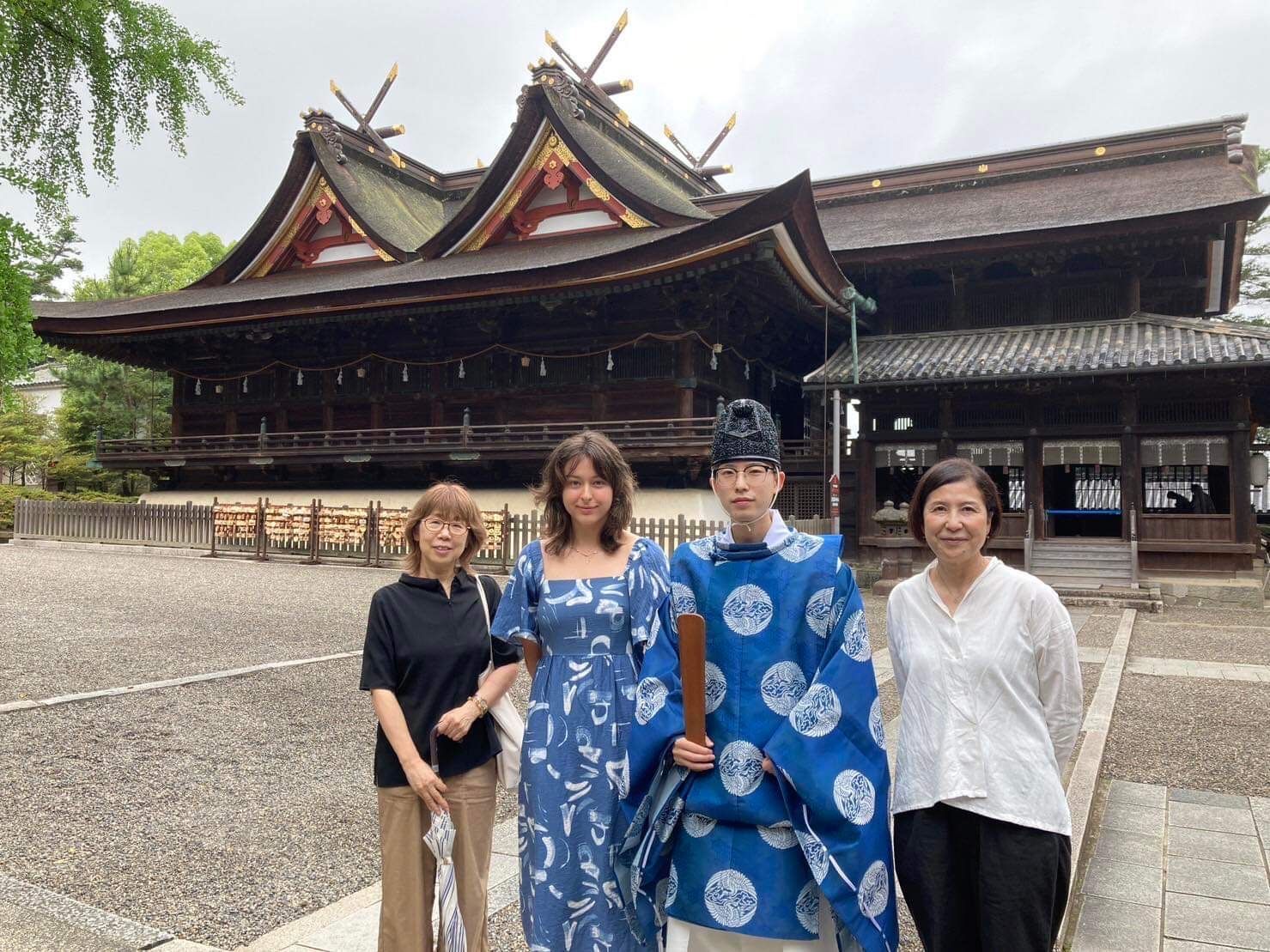
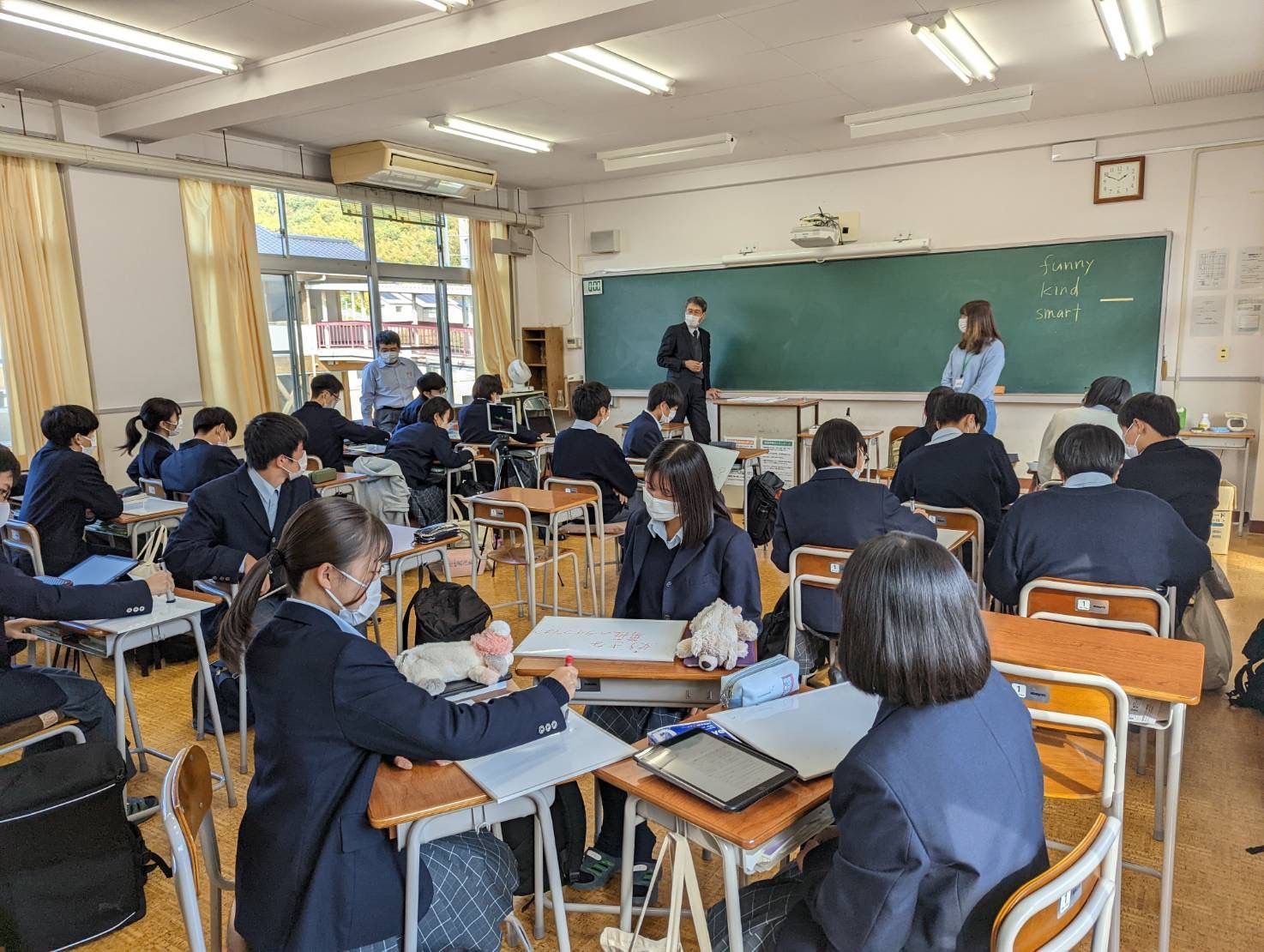
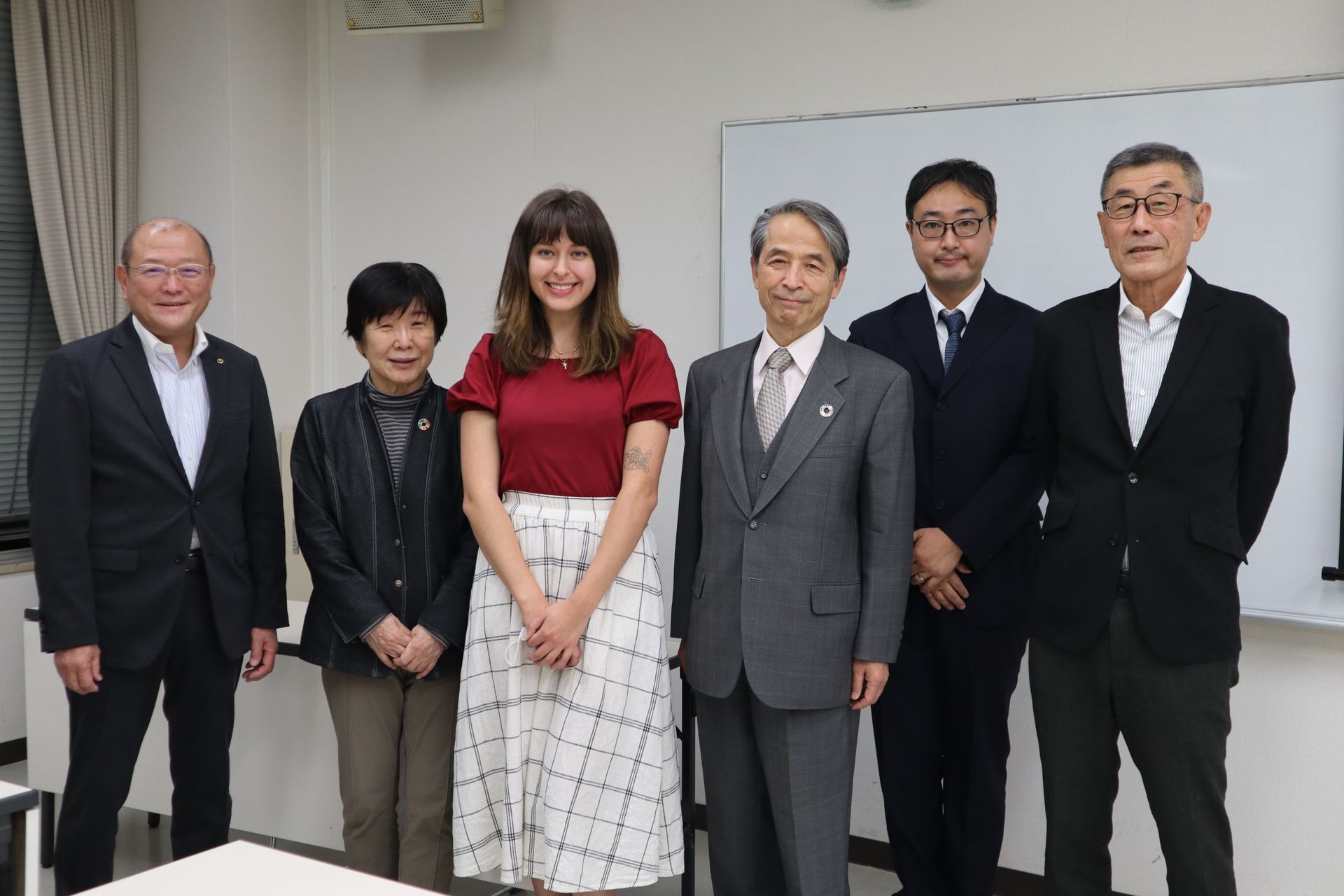
Natalie was hosted at Okayama University in southern Japan by Associate Professor Iwabuchi Yasushi. While in Okayama, Prof. Iwabuchi made her feel very welcome and integrated into Japanese life, eliminating many of the initial stressors and challenges of moving to a new country. “My host professor and host university were very dedicated to including me in all of their activities and helping me become a researcher for the first time,” she recalls fondly. “My advisor created an opportunity almost every single month for me to present to the community, and the turnout was always impressive,” she says.
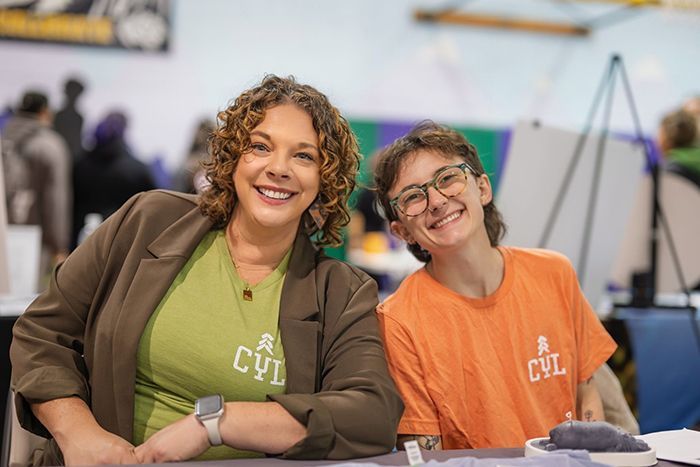
Natalie adds that she had connected with Prof. Iwabuchi well before moving to Japan. She explains, “During my sophomore year of university, I received a Critical Language Scholarship for Japanese study, and Okayama University actually hosts this program.” While the trip to Okayama University as part of this program was canceled due to COVID-19, she participated in an online program where she had the chance to meet Prof. Iwabuchi. “I reached out to him and we started meeting online regularly one year in advance of applying for Fulbright. By the time I actually got to Japan, he and I had a very strong relationship,” says Natalie.
Despite the challenges of conducting field research in a foreign country, Natalie notes that it provided her a unique and holistic understanding of the state of rural affairs in Japan. “If there is a challenge that you're curious about, for example, rural resilience or the future of the countryside, the quickest way to better understand it is by talking to the people that are most impacted by it,” she says. “I gained the most insight by interviewing rural residents, taking the time to make connections, and seeing local experiences first-hand,” she adds.
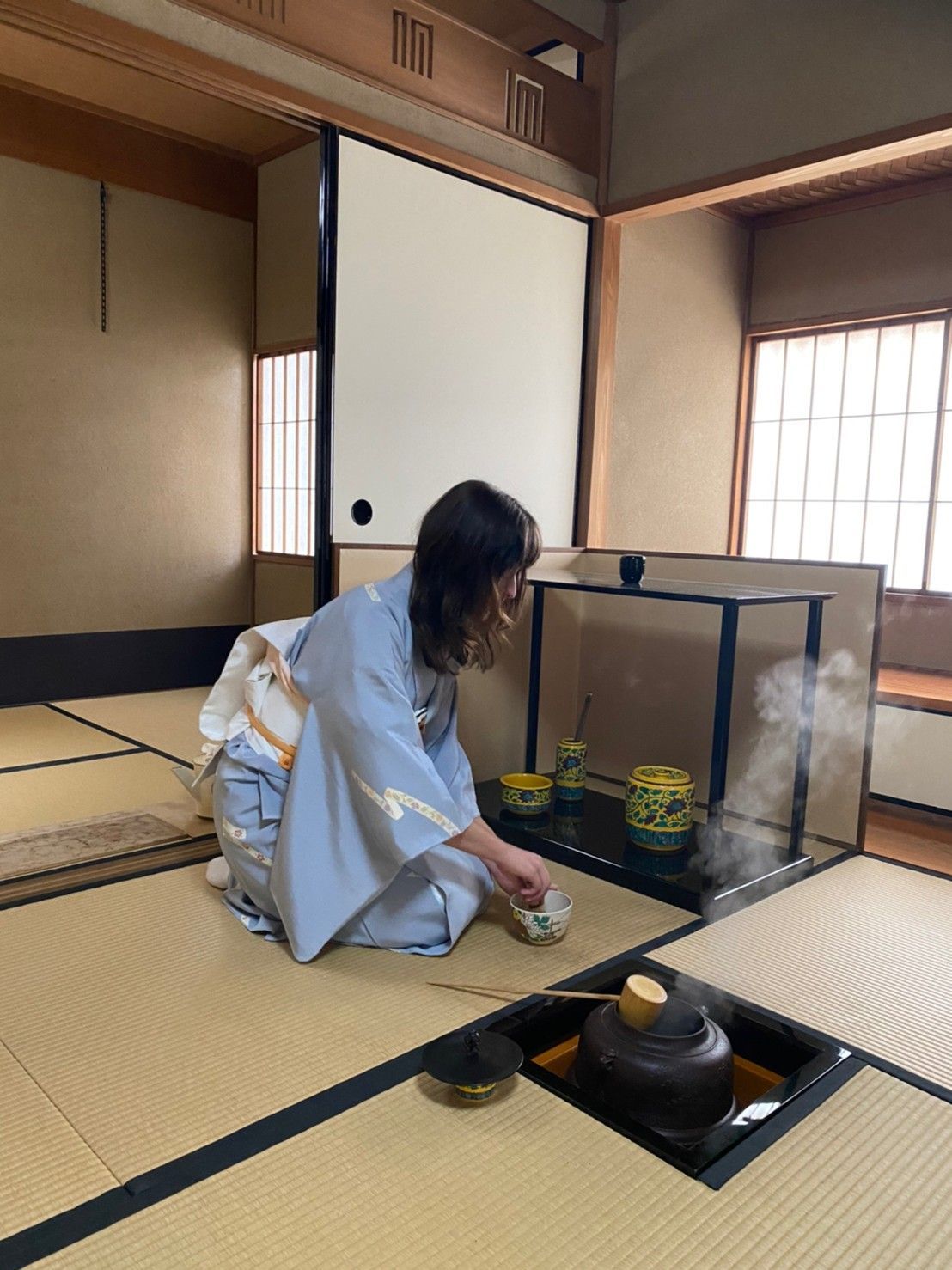
Natalie participated in agricultural practices, notably harvesting sweet potatoes and rice, and making “mochi” (a type of Japanese rice cake) using the traditional method. These activities made her feel close to the local community and imbedded in the region’s history. Her favorite place in Okayama was Bizen city, famous for its traditional Bizenyaki pottery. She remembers taking intensive pottery lessons in Bizen city as one of her most enjoyable experiences in Okayama.
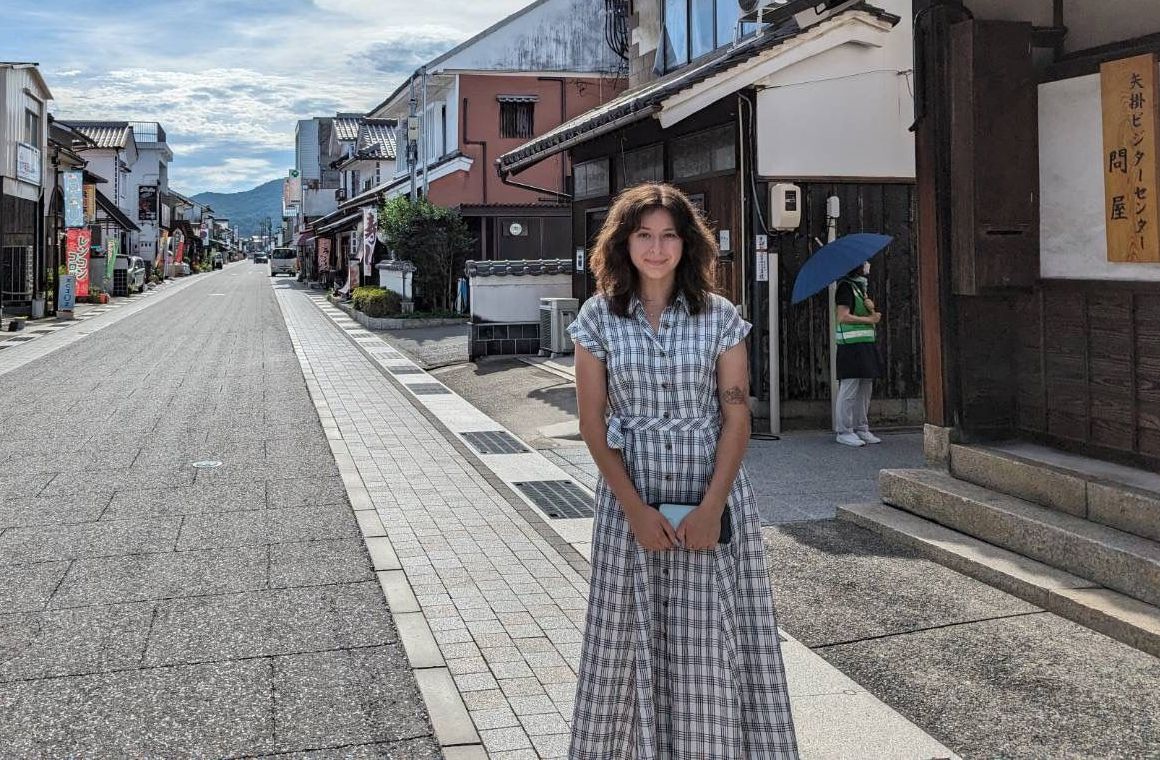
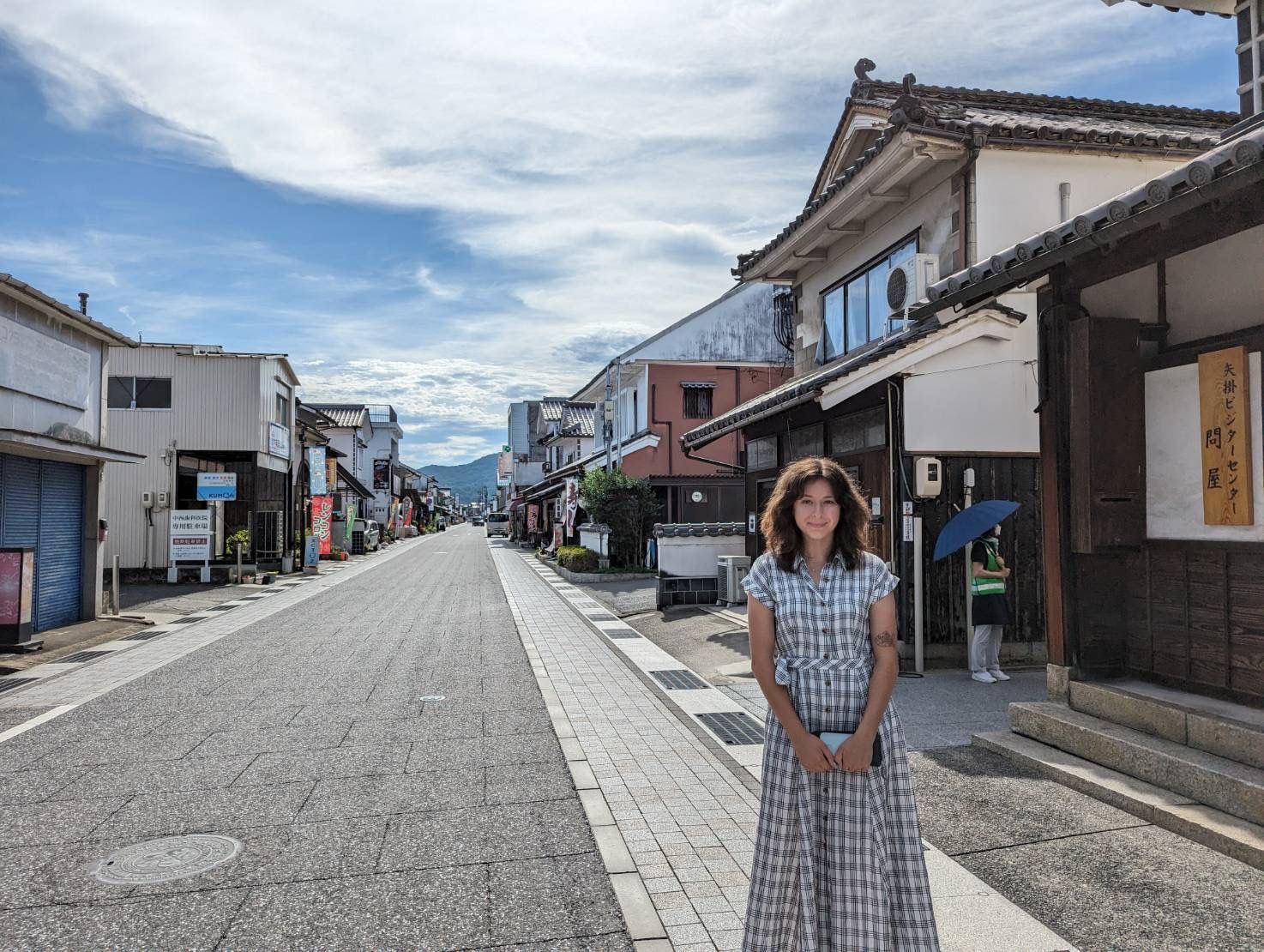
During her research, Natalie heavily focused on Yakage city due to its unique history. “The town has been working very actively for the past 20 years to bring youth back to the countryside and to create programs for international students to get involved in such as planting, harvesting, and cultural celebration events,” she explains. In her view, Yakage provides a new model for resilience that can be replicated in other places both inside and outside Japan.
In the future, Natalie aspires to address the rural-urban divide within the United States and abroad. She believes that it is possible for both city and rural people to work together, find common goals, and share values, which can help break down mental barriers against working with those from different geographic locations and help the world to become more resilient.
Offering advice to scholars who are interested in applying to Fulbright, she says, “I would recommend that they find a strong affiliate in their host country and build a relationship with them even before they're ready to apply for the program. Fulbright, or any study abroad is challenging and you shouldn't do it alone. You need to find a support network within your host country to rely on, just like you do in your home country.”