




our history
2016
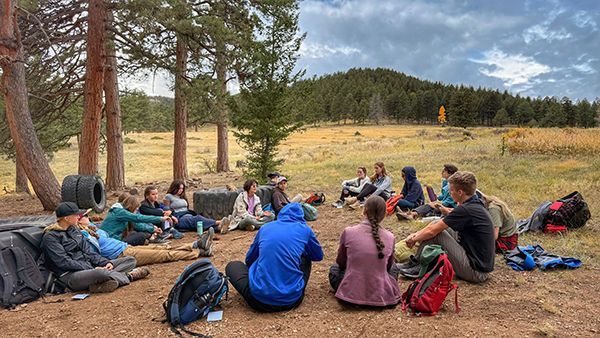
a call to confront the twin crises
In the face of accelerating climate impacts and growing disillusionment with U.S. governance, a group of civic thinkers, educators, and environmental leaders gathered to ask an urgent and fundamental question:
What kind of democracy is needed to meet the climate crisis?
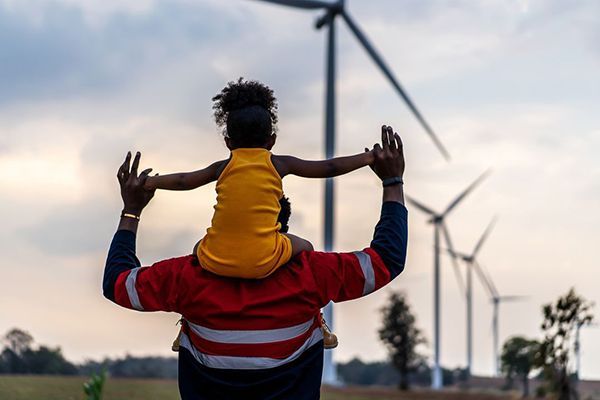
The importance of that question deepened following the 2016 election, which resulted in the rollback of environmental protections and a burgeoning distrust in institutions. From that moment of shared concern emerged a core group of leaders who would later help shape the founding vision and values of the Climate Democracy Initiative.

2018
elevating the conversation
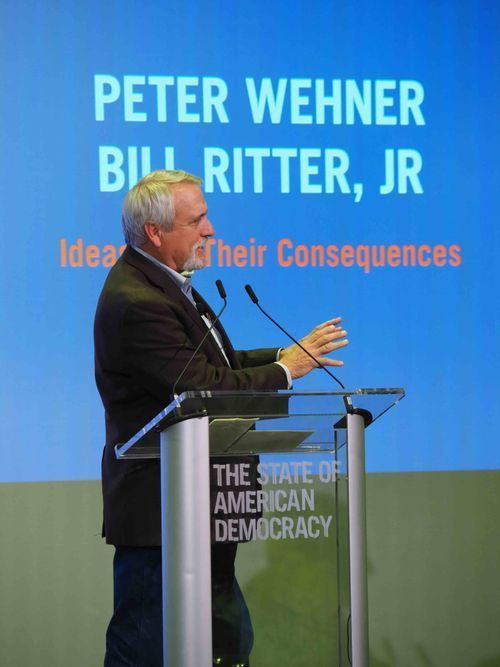
That early momentum led to a national convening focused on the future of American democracy in a warming world. Dozens of scholars, journalists, scientists, and organizers came together to shift the public conversation from fear and fragmentation to vision and solutions.The gathering emphasized that preserving ecological systems and advancing equitable governance are not separate goals, but rather they are deeply linked. Participants explored how democracy must evolve to protect both people and the planet.
2020
building a shared vision
In the years that followed, a growing ecosystem of leaders continued shaping a blueprint for systems-level change.The movement gained traction through collaborative publications, town halls, and university partnerships. Approaches like participatory governance, community-led planning, and integrated climate-democracy strategies gained broader recognition as essential tools for building just and resilient futures.
2022
a new chapter begins
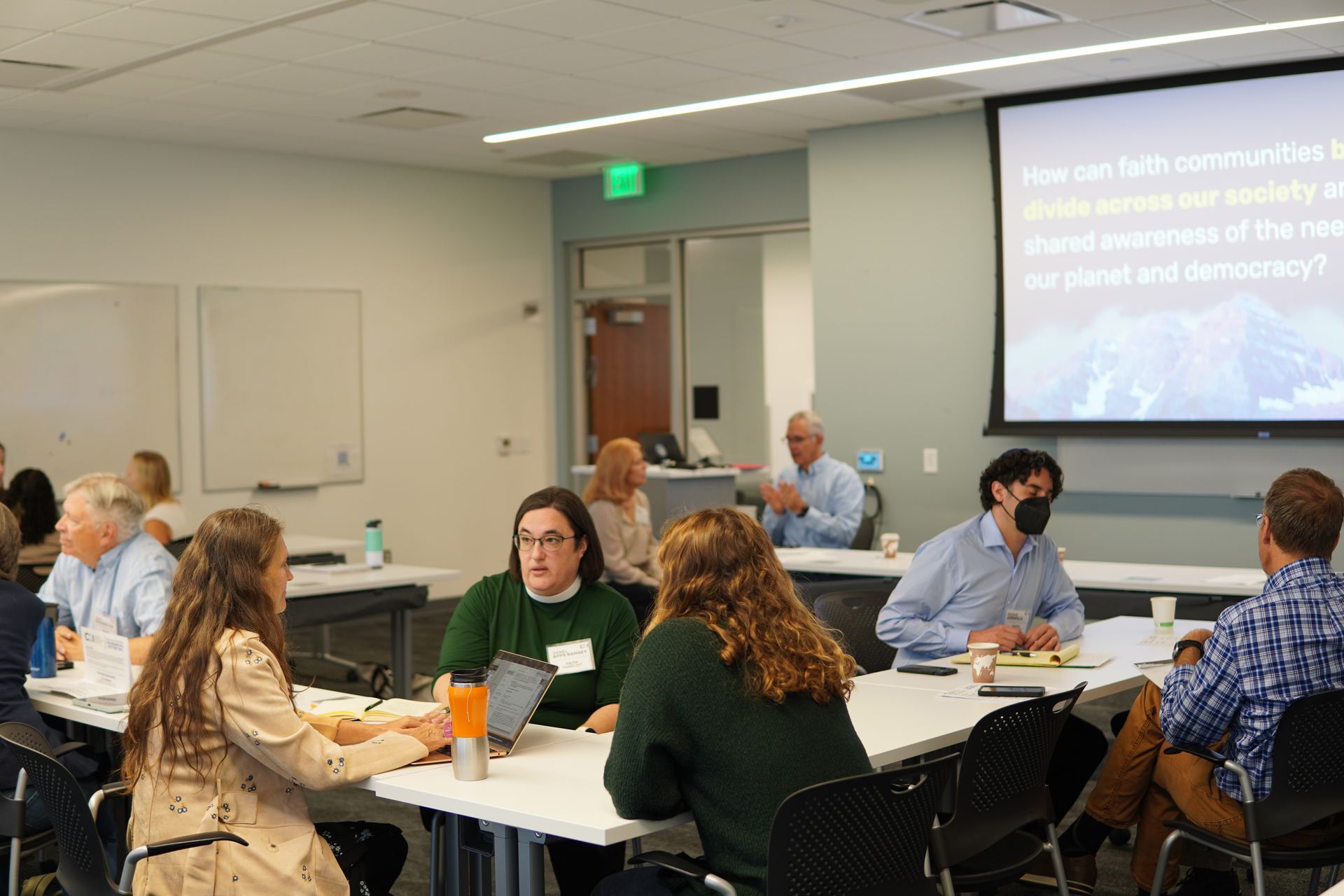
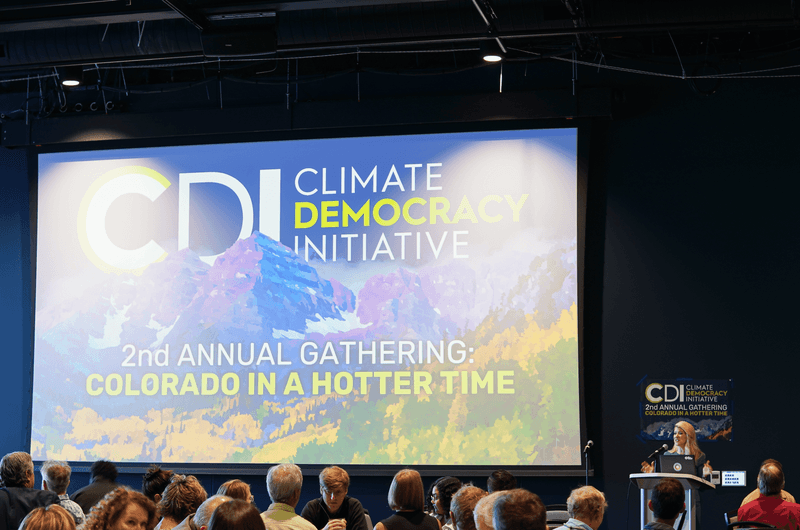
The Climate Democracy Initiative officially launched its public programming in 2022, hosting over 150 thought leaders at the conference: Colorado in a Hotter Time.
This convening brought together climate scientists, elected officials, grassroots organizers, and community members to address Colorado’s evolving environmental challenges. It marked the beginning of CDI’s hands-on work to connect local action, public trust, and climate resilience in the communities most impacted by both environmental stress and democratic breakdown.
2026
from vision to implementation
By 2026, the Climate Democracy Initiative has moved beyond convenings and into direct, on-the-ground impact. What began as a question has become a practice, supporting communities as they actively shape decisions about land use, energy, water, and economic transition.
Through programs like Community Visioning, CDI is working alongside rural and small communities to ensure local voices are not just included, but central to the decisions that define their future. This work reflects a broader shift from awareness to action, where democratic participation is treated as essential infrastructure for climate resilience.
As environmental pressures intensify and trust in institutions continues to be tested, CDI’s focus is clear: strengthen the civic capacity of communities to lead, adapt, and govern in the face of change. By equipping people with the tools, processes, and support to engage meaningfully, CDI is helping rebuild the connection between public voice and public decision-making.
Contact Us
Thanks for signing up.
Please try again later.
join our newsletter
stay in the loop
donate to our cause
Your Capital. Our Community. A Resilient Future. Solving the climate crisis requires more than new technology; it requires a leap in participatory democracy. Your investment in the Climate Democracy Initiative (CDI) builds the civic infrastructure—from youth policy curricula to community negotiating tools—that ensures local voices aren't just at the table, but leading the conversation. CDI is an IRS-designated 501(c)(3) public charity. Your partnership is fully tax-deductible. (EIN: 92-0943342)
Deploy capital to the frontlines of civic action. Make a secure one-time investment, become a monthly sustainer, or dedicate a gift to a civic champion. Your support allows us to equip communities with the training they need to respond to rapid development pressures in real-time.